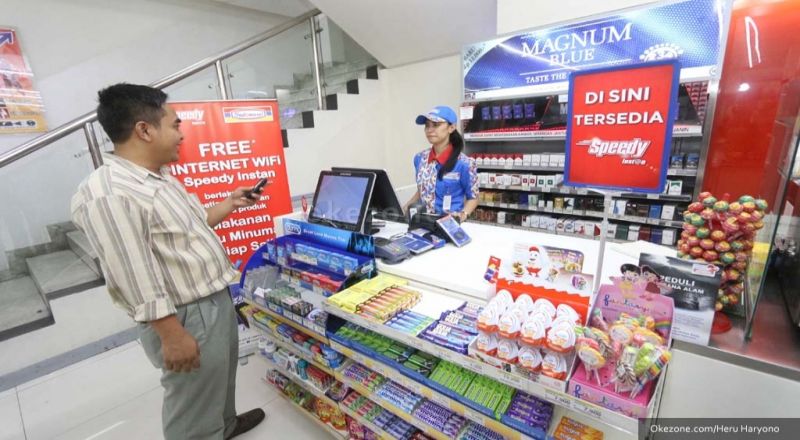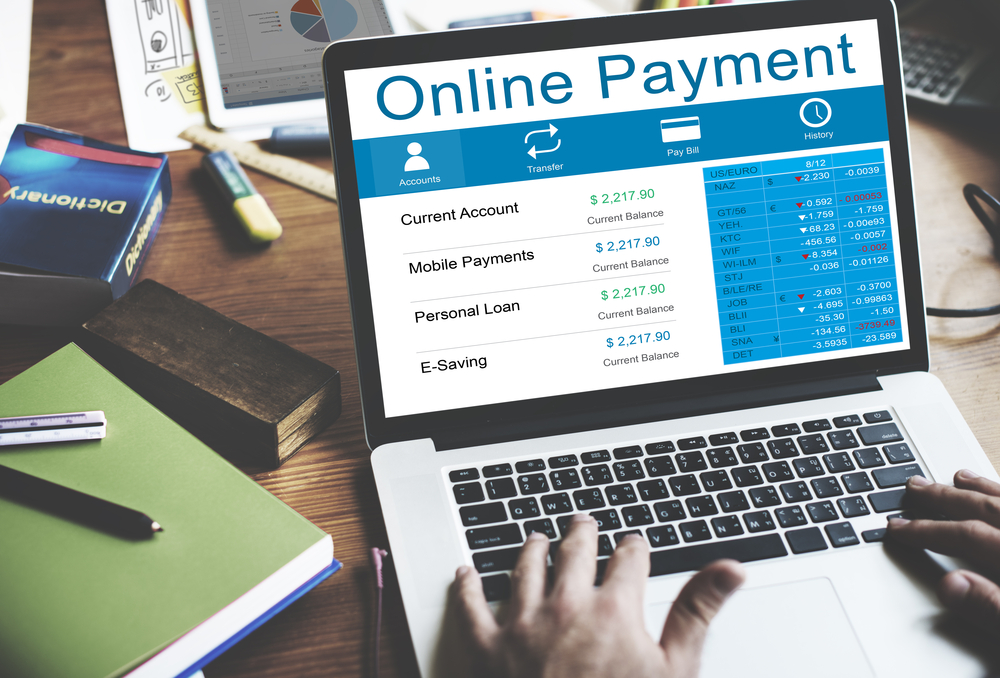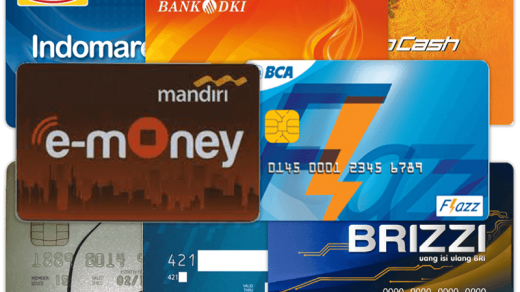


Dalam kehidupan manusia saat ini, hampir semua aktifitas bisnis yang dilakukan sudah terkoneksi secara online sehingga untuk sistem pembayarannya juga berbasis online yang lebih dikenal dengan istilah online payment Indonesia. Dunia teknologi yang semakin berkembang dengan pesat, mau tidak mau memang berdampak besar pada kehidupan sekarang. Nah, salah satu bisnis yang tengah populer yaitu bisnis PPOB atau pembayaran online yang banyak bermunculan terutama di daerah perumahan.
Adanya PPOB pada dasarnya bertujuan untuk memudahkan Anda dan keluarga dalam pembayaran berbagai komponen seperti PLN, PDAM, telepon, dan lain-lain. Karena peluang yang besar dari bisnis tersebut, Anda bisa menjadikan bisnis PPOB ini sebagai usaha sampingan yang akan memberikan keuntungan menjanjikan. Lalu bagaimana cara memulai bisnis online payment PPOB? Untuk mengetahui lebih lanjut, simak ulasan berikut ini.
Tips Memulai Bisnis Online Payment Indonesia Agar Sukses

Untuk memulai usaha tentunya tidak mudah dilakukan. Anda yang tertarik menjalani bisnis online payment PPOB, ada beberapa tips yang harus Anda terapkan diantaranya :
- Memenuhi persyaratan kemitraan
Tips pertama yang bisa Anda lakukan untuk memulai bisnis PPOB yaitu dengan memenuhi persyaratan kemitraan. Caranya Anda hanya perlu mendaftarkan diri dan mengajukan permohonan ke perusahaan PPOB. Persyaratan yang harus Anda penuhi salah satunya menyerahkan fotokopi identitas dan rekening bank. Setelah memenuhi semua persyaratannya, dalam satu minggu usaha ini sudah bisa beroperasi.
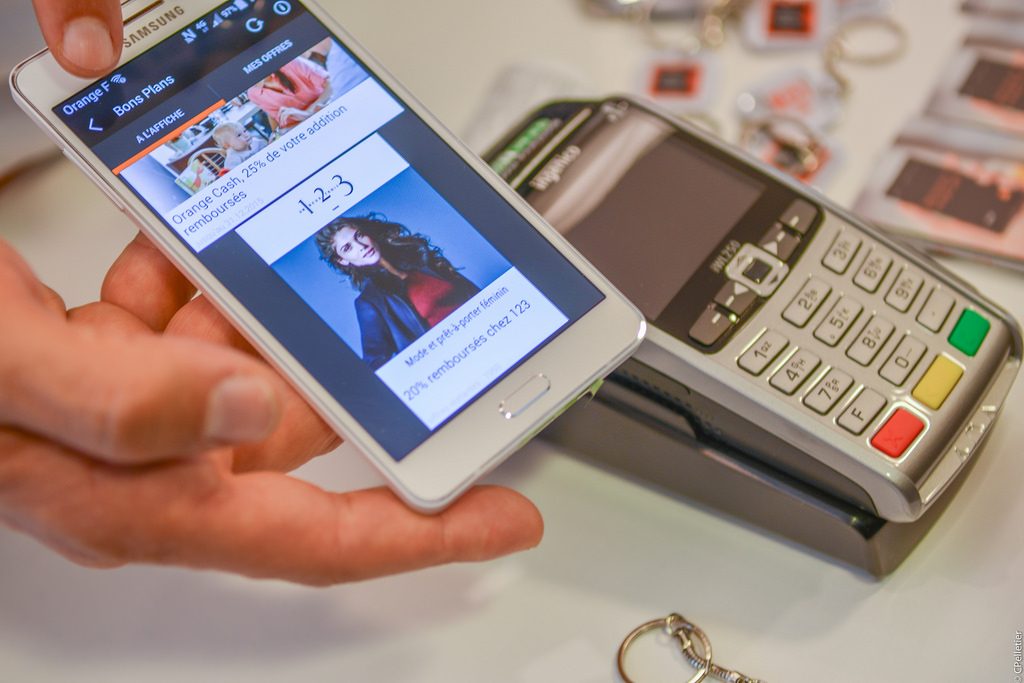
Perusahaan PPOB saat ini menawarkan dua sistem kemitraan yaitu paket transaksi menggunakan mesin elektronik data capture dan paket internet banking dengan komputer sendiri. Untuk paket transaksi menggunakan mesih EDC, biaya yang harus dikeluarkan untuk sewa mesin per tahun yaitu Rp. 4,5 juta.
- Mempersiapkan modal
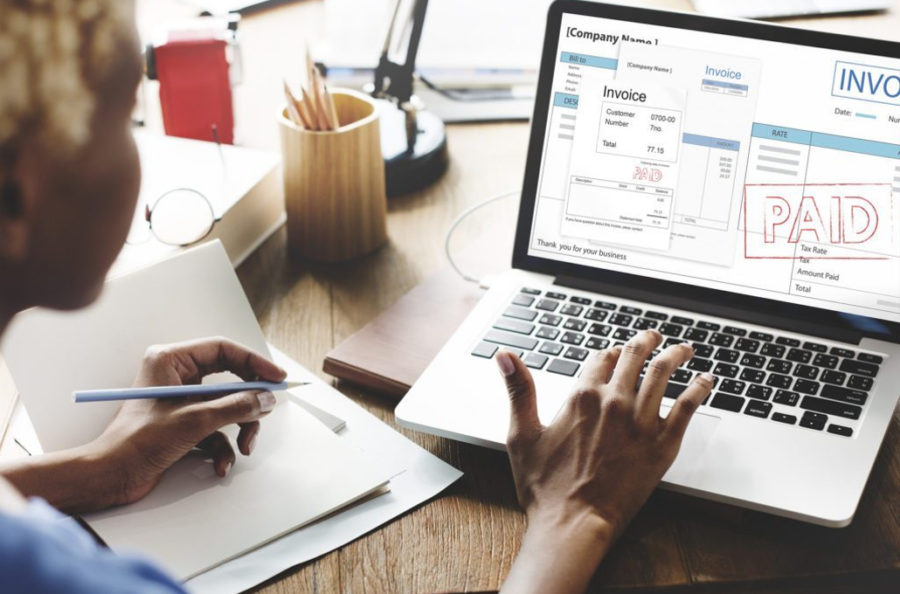
Tips berikutnya yang harus Anda lakukan yaitu mempersiapkan modal atau investasi. Untuk memulai bisnis yang menjanjikan ini, Anda tidak harus mengeluarkan modal yang terlalu besar. Hanya dengan bermodalkan seperangkat komputer yang terhubung ke internet kemudian dilengkapi biaya deposit uang sebesar Rp.100.000 Anda dapat memulai bisnis ini dan menjalankannya.
Komputer yang akan membantu berjalannya bisnis PPOB ini bisa Anda peroleh dengan harga dibawah 1 jutaan dan tidak harus memiliki spesifikasi yang canggih, yang terpenting komputer tersebut bisa menjalankan software dan terhubung ke internet dengan baik.
- Tentukan lokasi yang strategis
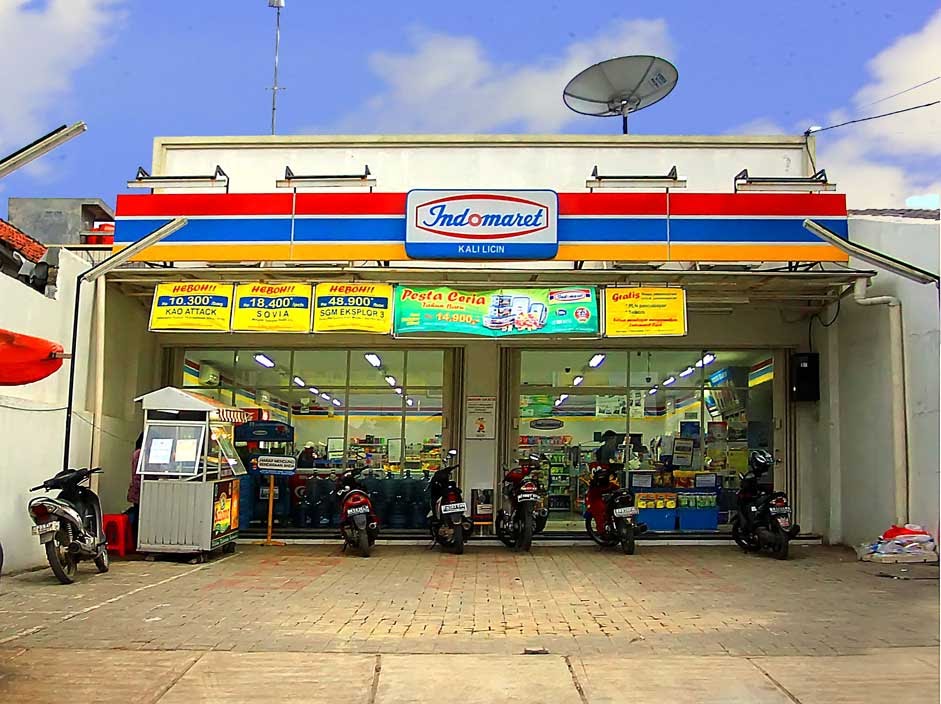
Seperti kebanyakan bisnis yang lain, bisnis PPOB membutuhkan lokasi yang strategis. Tujuan utamanya agar lebih banyak orang yang membutuhkan layanan usaha ini. Meskipun tingkat permintaan bisnis ini sangat tinggi, tetap saja lokasi untuk memulai usaha menjadi hal yang harus diperhatikan dengan baik.
Semakin banyaknya bisnis PPOB yang bermunculan, Anda harus lebih unggul untuk bersaing dengan usaha bisnis yang lain. Untuk menarik perhatian konsumen, lokasi yang Anda gunakan sebagai tempat bisnis harus mudah dijangkau. Salah satu lokasi strategis yang bisa digunakan yaitu daerah perumahan kelas menengah yang belum mengenal sistem payment via ATM, m-banking, dan internet banking.
- Pemasaran bisnis
Tips terakhir untuk memulai bisnis PPOB online payment Indonesia yaitu melakukan pemasangan bisnis dan juga perluasan usaha. Salah satu strategi terampuh yang bisa digunakan yaitu metode mouth to mouth. Selain itu, Anda dapat menyebarkan brosur ke rumah-rumah penduduk untuk menarik perhatian konsumen agar menggunakan layanan jasa dari bisnis yang Anda kelola.